

Arizona’s Giant Grasshopper Is Freaking Out Gardeners
We don't do anything small in Arizona. I mean, we're called the Grand Canyon State, after all, and it's not just an awe-inspiring hole in the ground; it's a testament to our prevailing spirit.

Apparently, the flora and fauna have gotten this message, too. Take our giant, one-of-a-kind cactus, the saguaro. When it comes to sheer size and longevity, they've got the desert market cornered. The mighty saguaro towers above the desert floor at 40 to 60 feet tall, and they've been known to live as long as 200 years.
Read 3 Things You Didn't Know About Saguaro Cactus
What Is the Mexican General Grasshopper?
Not to be outdone by ginormous succulents, Arizona's insects have to display drama, too.
Arizona's bugs are big, weird, and sometimes downright theatrical. We've got scorpions, tarantulas, and vinegarroons, and they all keep us asking, "What in the world is THAT thing?"

There's one more creature in Arizona's bag of creepy that has us asking this question: the Mexican General grasshopper.
You'll spot this flashy late-summer visitor strutting along the desert floor like it owns the place. I've seen it on plants, crossing roads and highways, and flying short distances through the air.
Officially known as Taeniopoda eques, this chunky critter is better recognized by its nickname: the western horse lubber grasshopper.
Read More About Arizona's Weird Critters: How To Identify Vinegarroons Vs. Scorpions In Arizona
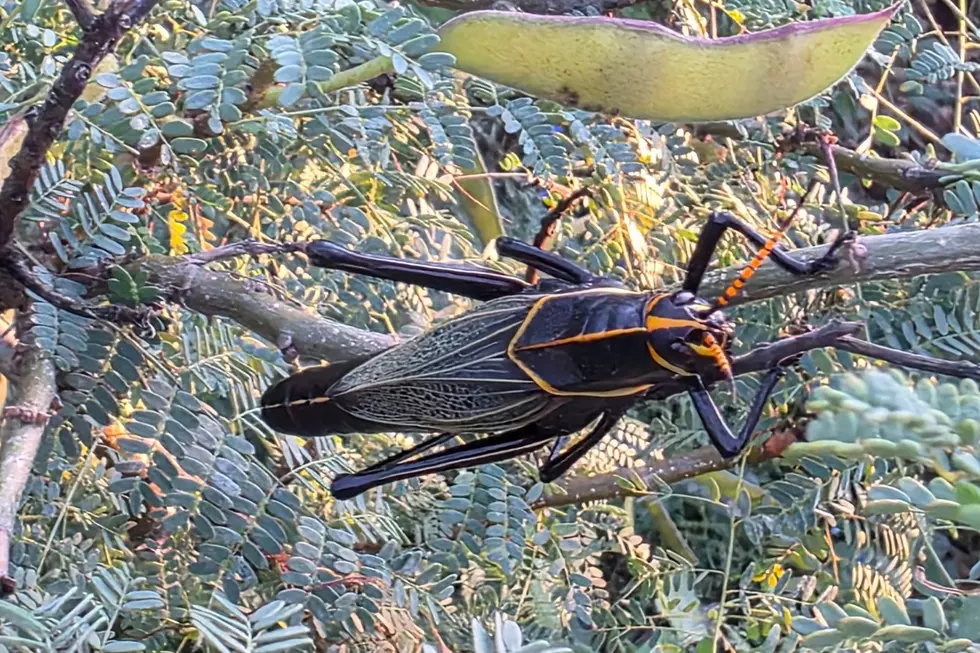
It's easy to identify this hulking grass-monster by its shiny black body and intense yellow markings. This dude looks like he’s dressed to lead the bug parade.

Why Gardeners Fear This Flashy Pest
I've always found this late-summer visitor interesting, and it's certainly a conversation starter. Don't let his fancy dress fool you, though; gardeners know he's a pest. My neighbor works all season long in her garden, growing flowers and veggies, but when harvest time comes, she's livid, spitting epithets at these voracious pests and the havoc they wreak on her favorite flowers.
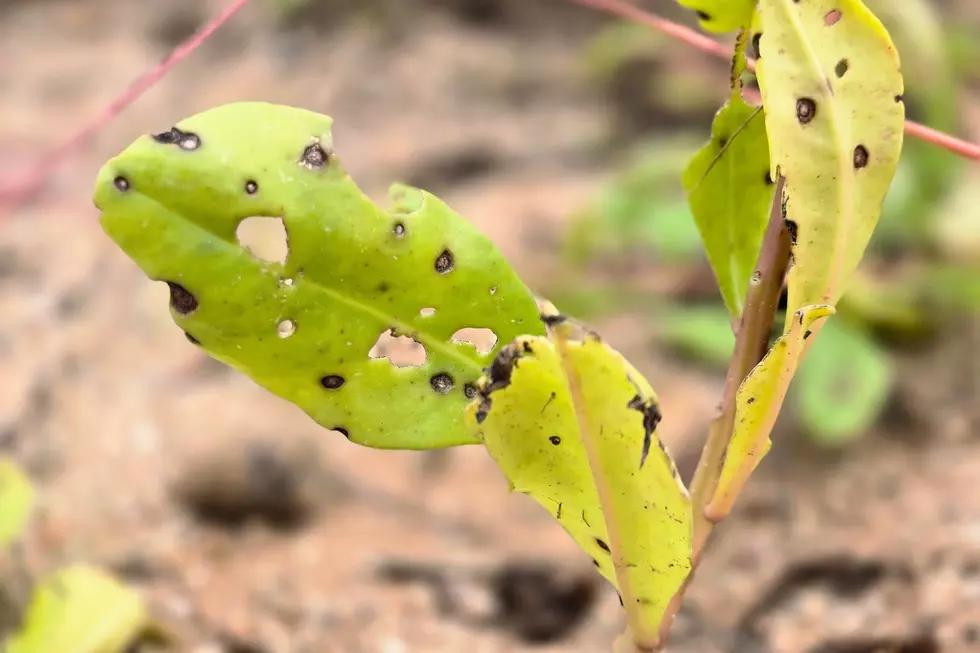
The Mexican General loves to munch on a wide range of plants, including flowers, veggies, and even amaryllis. They're not venomous, and they rarely cause widespread damage. Their appetite and sheer size (up to 3 inches!) make them unwelcome guests in backyard gardens.
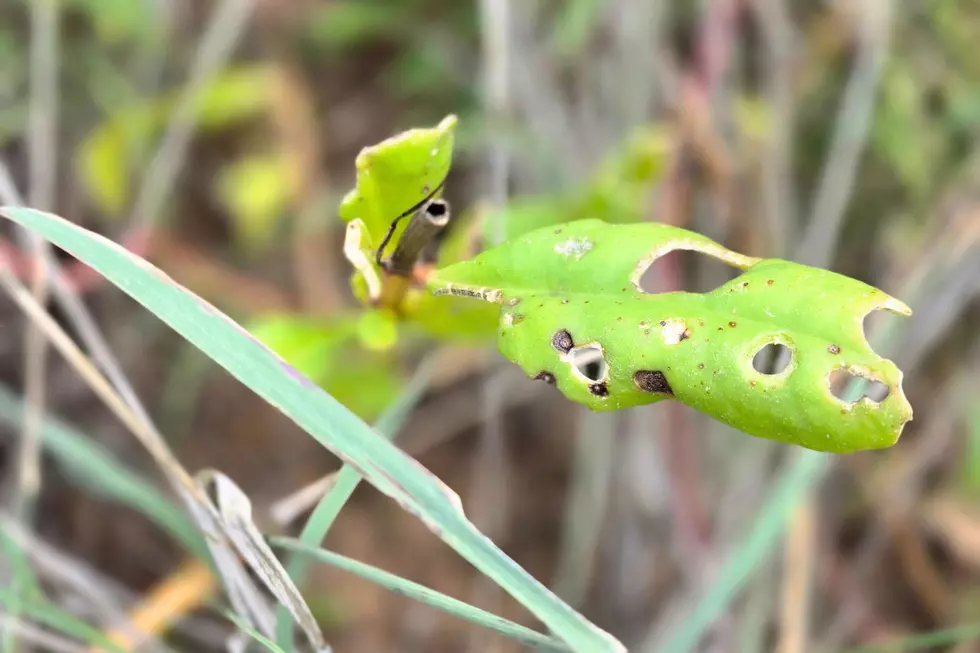
What Do These Giant Grasshoppers Eat?
This might creep you out a little. This giant grasshopper isn't just a plant-eater; females have been known to snack on carrion and even bones to boost their reproductive nutrients, as InsectIdentification.org reports.
They’re not great flyers, even though they can zip-hop short distances. They've got great survival skills. According to Wikipedia, their black coloration helps them soak up desert sun for thermoregulation, and they’ve got some pretty savvy ways to avoid predators. They use bright warning colors, hissing sounds, and a frothy, noxious secretion from their thorax.

Birds and small mammals might try to eat them, but these grasshoppers are usually more trouble than they’re worth.
They may chew some of your favorite flowers down to their stems, but they do play a role in the desert ecosystem. They're just a bit more dramatic than your average bug. This may be the most Arizona critter you'll ever meet!
The Top 17 Scariest Things About Living in Arizona
Gallery Credit: Val Davidson
11 Unbelievably Odd Things You'll Only Find in Arizona
Gallery Credit: Val Davidson/TSM
15 Ways You Know You've Lived in Arizona Too Long
Gallery Credit: Val Davidson/TSM
More From K101


