

We May Be Headed for a Super El Niño. What it Means for Arizona
Every year, about this time, we start speculating about the monsoon season. It’s an important time of year for us; the short rainy season cools down the June Swelter and provides much-needed moisture to our plants, animals, and water table.
The weather in Arizona has already been a roller coaster this year. We’re not even at the halfway point, and we’ve already set heat records. We’re all wondering if this is a forerunner for what we’ll experience this summer. According to experts, maybe not.
READ ALSO: 5 Ways to Prepare Your Arizona Home for Monsoon Season

What Is a Super El Niño, Anyway?
Step aside, La Niña; here comes El Niño. Super El Niño.
The extreme weather across the country that caused endless weeks of snow, unprecedented tornadoes in both places, and at times when tornadoes don’t typically occur, and polar vortices were all a gift from La Niña. In the Desert Southwest, we had the opposite: higher-than-average temperatures and almost zero precipitation.
The global weather pattern appears to be shifting once again. Now the Pacific Ocean is getting warmer, way warmer, than usual.
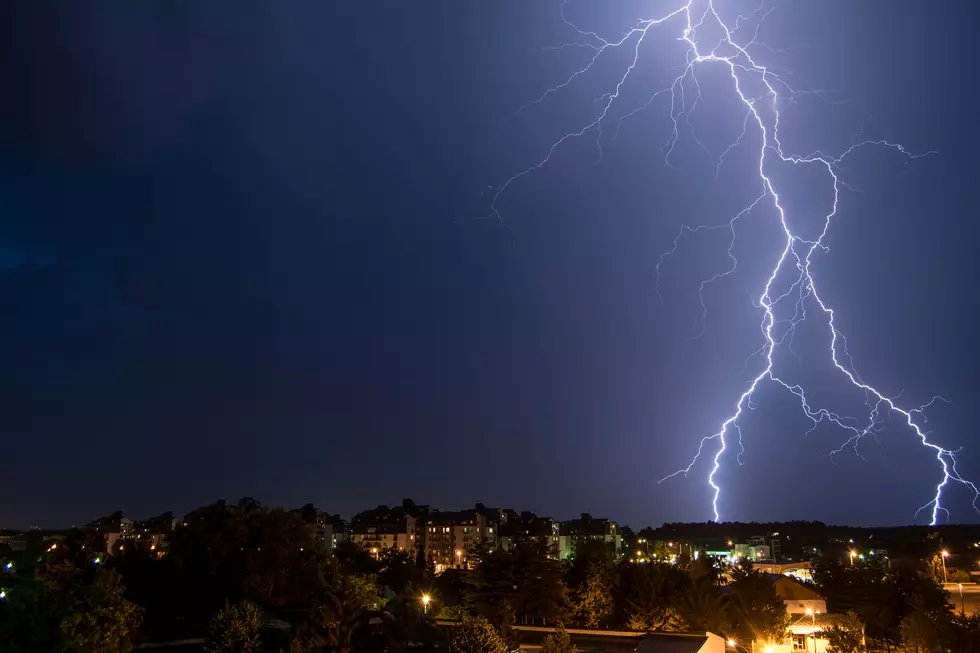
All that heat disrupts weather patterns worldwide. Enter, Super El Niño. I know, it sounds like the name of a luchadora, but it’s actually an extra‑strong version of the El Niño climate pattern.
NOAA explains that El Niño occurs when the central and eastern Pacific warm up, disrupting normal wind and rainfall patterns.
The Guardian adds that a potential “super El Niño” could supercharge global weather extremes and even push temperatures to record highs.


What Would a Super El Niño Mean for Arizona?
This might not be great news for everyone, but for Arizona, it could be the break we need.
While a super El Niño can be chaotic globally, Arizona might get some really good summer weather. Axios reports that a possible super El Niño later this year could bring cooler temperatures and a wetter monsoon season—a huge deal after years of scorching summers and long‑term drought.
The National Weather Service explains that shifts in Pacific temperatures can significantly affect weather across the Southwest, potentially leading to a big uptick in rainfall this summer.
RELATED: When Is Arizona’s Summer Monsoon Season?

Why Are Cooler Summers Such a Big Deal Here?
Arizona’s summers have been brutal lately. Phoenix has experienced especially hot summers, with triple‑digit streaks that go on and on.
Arizona has already broken heat records this year, and all before Spring even started.

Could Arizona See a Wetter Monsoon This Year?
Experts say we could get a wetter-than-usual monsoon season this year. That means more storms, more rain, and a better chance to ease drought conditions.
NOAA and the National Weather Service both point to warming in the Pacific, which can shift rainfall patterns and boost our summer storm activity. Here's to hoping we get a slow, steady, and productive monsoon season.
LOOK: The most expensive weather and climate disasters in recent decades
Gallery Credit: KATELYN LEBOFF
LOOK: The most extreme temperatures in the history of every state
Gallery Credit: Anuradha Varanasi
LOOK: The most extreme temperatures in the history of every state
Gallery Credit: Anuradha Varanasi
More From K101


