

The Grave History of Executions in Tombtone.
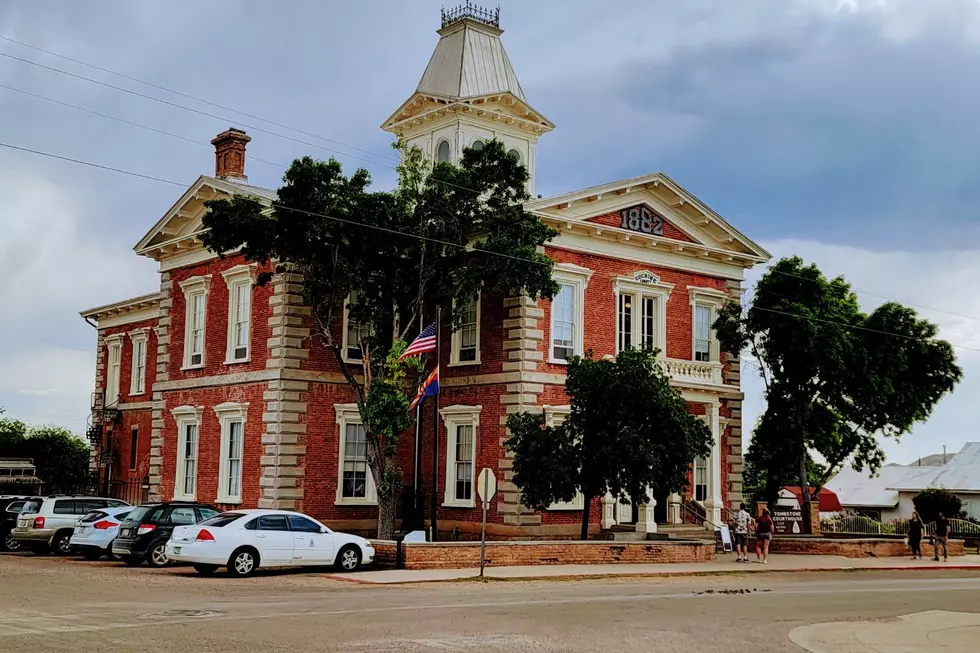
The Tombstone Courthouse, built in 1882, served as the county seat for 50 years. Between 1882 and 1906, seven hangings took place there. Despite Tombstone’s reputation for violence and crime, all seven executions were connected to only two major cases.

The Bisbee Massacre.
In December of 1883, a group of men attempted to rob the city of Bisbee in an event that would later be known as the Bisbee Massacre. During their crusade, 4-5 people were shot and killed, including a law man and a pregnant woman.
6 men were convicted of the robbery, and 5 of them were hung together. In March of 1884, Daniel Dowd, Comer W. Sample, Daniel Kelly, William Delaney, and James Howard met their fate in the Tombstone Gallows.
READ MORE: The True Story Behind Arizona's Most Famous Female Outlaw

John Heath
John Heath was the 6th man involved in the Bisbee massacre, but he was not hung at the courthouse. John Heath was accused of organizing the robbery, to which he confessed. However, he claimed he was not a part of the killing and hid when the shooting started. The court decided to give him a life sentencing instead of hanging him, which did not end well.
About a month prior to the hanging of the other 5 men, a mob of 50 plus men formed, overpowered the prison staff, and dragged John out of the city jail. He was then hung from a nearby telegraph pole. The coroner's death report on John said that he died of emphysema related to strangulation, "Self-inflicted or otherwise."
RELATED: Cochise County's Wild West Stories

The Shootout at Wilson Ranch
The final hanging in Tombstone involved brothers William and Thomas Halderman. Their trouble began after a month's long argument with Teddy Moore over Rena and Mary Wilson, during which Moore repeatedly threatened to kill them.
Months later, Moore accused the brothers of cattle theft, prompting Constable Chester L. Ainsworth and Moore to head to the Halderman ranch on April 7th, 1899. Finding it empty, they went to Wilson Ranch, where the brothers were eating breakfast. Ainsworth read the warrant and told them to finish their meal before coming out peacefully.
Instead, the brothers emerged armed, and a shootout erupted. Ainsworth and Moore were killed. The Halderman's claimed they believed Moore intended to harm them, given his earlier threats. They were later convicted of murder and hanged together in November of 1900, at just 21 and 18 years old.
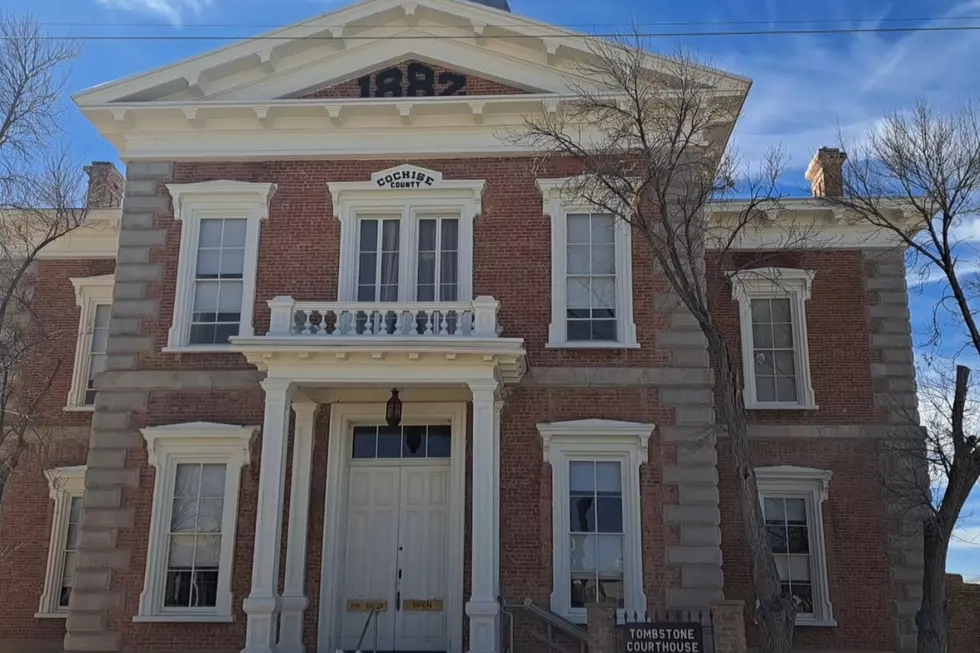
These cases make up the full record of the seven legal hangings carried out at the Tombstone Courthouse, and the 8th hanging carried out by the citizens. Though Tombstone is remembered for its reputation of violence, crime, and strict law enforcement, all the executions in town were tied to only two major crimes, both of which left their marks on Cochise County’s history.
The 10 Most Notorious People in Arizona History
Gallery Credit: Chris
35 Interesting Arizona Facts You May or May Not Know
Gallery Credit: Tim Gray
More From K101