

Frontier Justice: 3 Times Tombstone Took the Law Into Its Own Hands
Throughout the past two centuries, Cochise County has been no stranger to violence. From shootouts to stagecoach robberies, the law was always busy. However, when tempers rose and patience thinned, citizens sometimes stepped forward as judge, jury, and executioner. Here are 3 stories where Tombstone citizens decided to take the law into their own hands.
READ: Tombstone's Silver Crash and It's Rise in Tourism


Aftermath of the Ok Corral
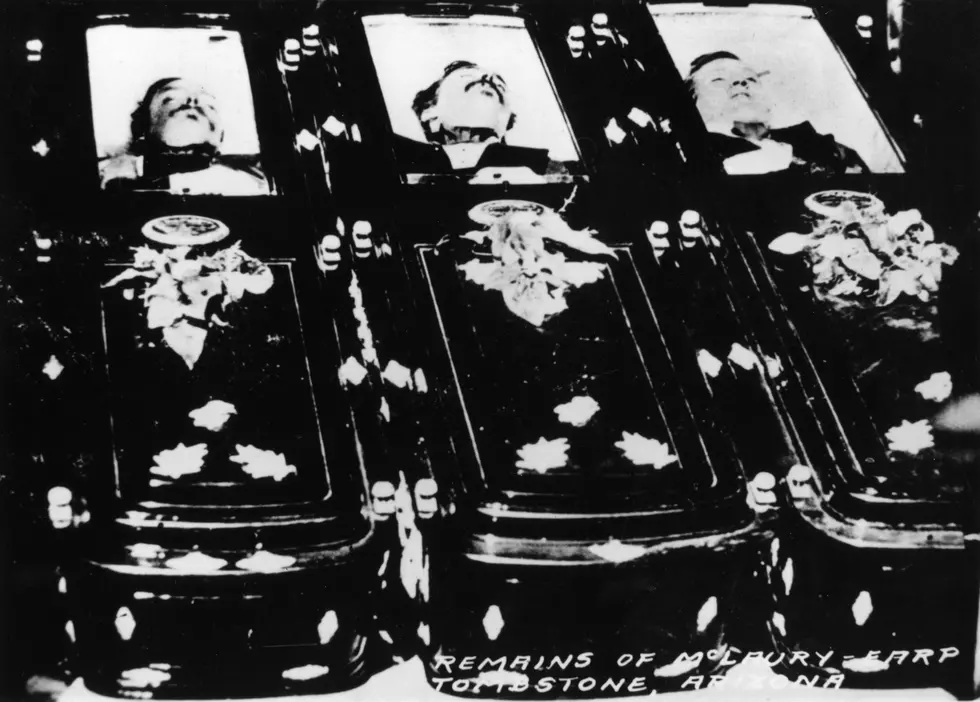
Following the infamous O.K. Corral shootout in 1881, Tombstone erupted into chaos. With bodies in the street and tensions boiling, citizens feared more violence before the courts could act. Believing Sheriff Johnny Behan was too sympathetic toward rural outlaws, merchant elites and local miners formed the Citizens Safety Committee.
These heavily armed vigilance groups patrolled boardwalks at night, guarded the local jail, and made warrantless arrests. Some people argued they were using frontier justice as a cover for long‑standing political grudges. Others saw the vigilantes as key to keeping the peace after such a brutal event.
RELATED: Remembering The Lives Buried At Boothill Cemetery In Arizona
The Drowning of Ella Greene
In July of 1897, frontier justice struck again when rancher William Greene shot and killed former judge James C. "Justice Jim" Burnett outside Tombstone’s O.K. Corral. Seeking to expand his own ranch, Burnett had supposedly used dynamite to destroy Greene's San Pedro River dam. The blast violently altered the river's flow, and the resulting floodwaters caused Greene’s young daughter to drown.
Believing that Burnett would escape legal punishment for the child's death, Greene tracked him to Allen Street. Upon confronting his rival, Burnett stood up and reached for his empty holster, prompting Greene to fire three rounds from his revolver. Greene immediately surrendered to authorities, stating, "I have no statement to make other than that man was the cause of my child being drowned." Burnett's death was considered self-defense, and Greene was acquitted.
READ: What You Didn't Know About Tombstone's Old West History

John Heath and the Bisbee Massacre
In December of 1883, six outlaws robbed a Bisbee general store, killing several men and a pregnant woman, Mrs. Roberts. Outrage spread quickly, and five raiders were soon captured, pointing to saloonkeeper John Heath as the organizer. Heath received a life sentence while the others were hanged, but locals felt justice hadn’t been served.
On February 22, 1884, vigilantes stormed the county jail, overpowered the guards, and dragged Heath outside. They then hanged John from a telephone pole with a note saying, "John Heath was hanged to this pole by the citizens of Cochise County, for participation as a known accessory in the Bisbee Massacre at 8:20 a.m., February 22, 1884." His grave now rests in Tombstone’s Boot Hill Cemetery among other outlaws.
READ MORE: What Wyatt Earp Did After Leaving The Wild West Behind

Whether driven by political chaos, the grief of a heartbroken father, or a community's collective outrage, these moments shaped the bloody legacy of early Arizona. When courtrooms moved too slowly or failed to satisfy public expectations, citizens proved they weren’t afraid to enforce their own version of justice. Ultimately, these three explosive events show that in the heart of the Old West, true justice was often found not in a judge's gavel, but at the end of a rope or the barrel of a gun.
CONTINUE READING: Seven Hangings At Tombstone Courthouse Tied To Just Two Cases
The 10 Most Notorious People in Arizona History
Gallery Credit: Chris
10 Unexpected Dangers in Arizona
More From K101


